Best Creatine Monohydrate for Men Over 35 UK (2026): What to Buy and Why
Affiliate disclosure: This post may contain affiliate links. If you buy through them the site may earn a small commission at no extra cost to you.
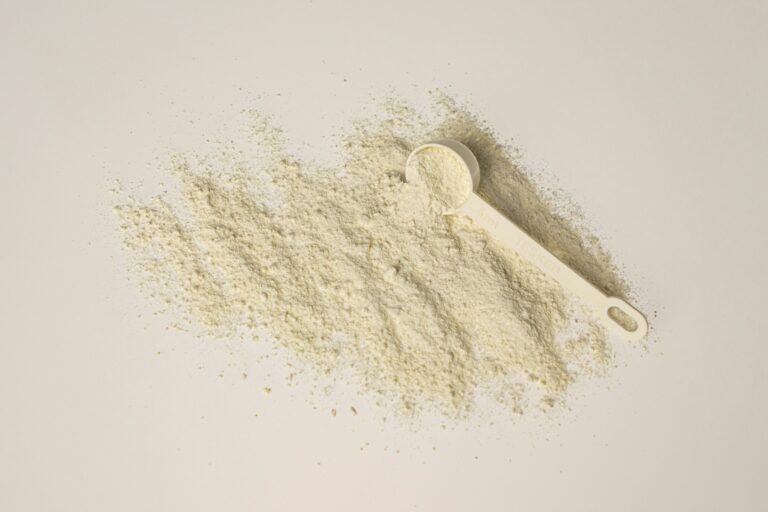
Creatine monohydrate is one of the most researched sports supplements there is. It has been studied for decades, it’s inexpensive, and it’s considered safe for healthy adults.
If you’re a man over 35 who does resistance training, it’s worth knowing what the evidence says and what to look for when you buy.
This guide covers the evidence and compares three UK options, so you can choose the best creatine monohydrate in the UK — without the bro-science.
What Does Creatine Actually Do?
Creatine helps your muscles produce energy more quickly during short, intense efforts — lifting weights, sprinting, HIIT. It does this by increasing the amount of phosphocreatine stored in your muscles, which is used to produce ATP (the fuel your muscles run on).
In practical terms for a dad over 35, this means:
- More reps before you fatigue
- Slightly more strength over time
The strongest evidence is for short, high-intensity exercise. The authorised health claim in the UK, based on a 2011 review by EFSA (the European food safety authority), is that creatine “increases physical performance in successive bursts of short-term, high intensity exercise”. It applies to adults doing high-intensity exercise who take 3g of creatine a day, which is about 3.4g of creatine monohydrate (EFSA, 2011). A second authorised claim, that “daily creatine consumption can enhance the effect of resistance training on muscle strength in adults over the age of 55”, only covers over-55s doing regular resistance training (EFSA, 2016), so don’t read it as a promise for men in their late 30s and 40s.
Is Creatine Safe for Men Over 35?
Yes. Extensively tested, considered safe for healthy adults. The main caution is if you have pre-existing kidney disease — in that case, check with your GP first. For everyone else, decades of research show no significant adverse effects at standard doses. The International Society of Sports Nutrition’s 2017 review found no compelling evidence that short- or long-term creatine monohydrate use harms otherwise healthy people (ISSN position stand). This is general information, not medical advice.
One thing worth knowing: creatine causes your muscles to retain a little more water. You might see the scales go up 1-2kg in the first week. This is not fat — it’s water held inside the muscle, and it settles.
Which Type of Creatine Should You Take?
Creatine monohydrate. Full stop.
Don’t be tempted by creatine HCL, buffered creatine, creatine ethyl ester, or any other fancy variant. They cost more and the research doesn’t show they’re meaningfully better than plain monohydrate. Any brand selling you “advanced creatine” at triple the price is marketing, not science.
Best Creatine Monohydrate in the UK for Men Over 35
Whichever you choose, check three things: the ingredients list should say creatine monohydrate and nothing else, the serving size (brands use 3.4g or 5g scoops), and the price per 100g rather than the price of the tub, because different scoop sizes make per-serving prices misleading. Prices move with sales, so check today’s price before you buy.
Myprotein Creatine Monohydrate — Plain and Simple
500g of pure creatine monohydrate, with the price depending on sales. Myprotein’s serving is 3.4g, so that’s about 147 servings — nearly five months’ supply. Unflavoured, and it mixes in water or juice. (Myprotein product page, checked 9 October 2026.)
- ✅ Pure monohydrate — no filler
- ✅ About 147 servings per 500g (3.4g scoop)
- ✅ Frequently on sale
- ✅ Informed Choice certified (tested for banned substances)
- ❌ Unflavoured only (not a problem, just mix it with something)
Bulk Creatine Monohydrate — Best for Bigger Orders
Very similar to Myprotein: plain monohydrate, and also sold in 1kg bags. Creatine works best taken consistently, so if you’re taking it long-term, buying 1kg at a time can make sense. Bulk’s serving is 5g, so 500g is about 100 servings and 1kg about 200 (Bulk product page, checked 9 October 2026). Weighing up Bulk against Myprotein for your whey as well? The price-per-shake maths is in Bulk vs Myprotein.
- ✅ Sold in 500g and 1kg bags
- ✅ UK brand
- ✅ Pure monohydrate
Optimum Nutrition Micronised Creatine — Best Mixability
Micronised means the particles are ground finer, so it dissolves more easily in water. If you’ve had issues with creatine clumping or sitting at the bottom of your shaker, this should help. Pricier per gram than the two above, so you’re paying for convenience. Each 3.4g of creatine monohydrate gives 3g of creatine, and the 187g tub is 55 servings (Optimum Nutrition product page, checked 9 October 2026).
- ✅ Mixes easily — no clumping
- ✅ Reputable brand
- ❌ More expensive per gram than Myprotein or Bulk
Quick Comparison
| Product | Type | Creatine monohydrate per serving | Best For |
|---|---|---|---|
| Myprotein Creatine Mono | Monohydrate | 3.4g | Plain and simple |
| Bulk Creatine Mono | Monohydrate | 5g | Bigger orders |
| ON Micronised Creatine | Micronised Mono | 3.4g | Easy mixing |
How to Take Creatine
- Dose: 3-5g per day. That’s roughly one level teaspoon
- When: Timing doesn’t matter much. Some studies suggest around your training session, but any time you’ll remember works
- Loading phase: Some protocols suggest 20g/day for a week to saturate muscles faster. Not necessary — 5g/day gets you there in 3-4 weeks with less stomach discomfort
- What to mix with: Water, juice, or your protein shake. Taking it with a meal is fine too
- Consistency: Take it every day, including rest days. It builds up in your muscles over time
Where to Start
Start with Myprotein or Bulk creatine monohydrate, unflavoured, whichever is in stock and cheaper per 100g on the day. Both are plain monohydrate, do the same job as pricier versions, and 500g gives you four to five months’ supply at 3-4g/day. Stir it into your morning protein shake and it’s one less thing to remember.
Once you’re going through it regularly, a 1kg bag means fewer reorders. Check whether it works out cheaper per 100g on the day.
Frequently Asked Questions
Do I need to cycle creatine?
No. The old advice about “cycling off” creatine isn’t supported by current research. You can take it continuously without diminishing returns.
Will creatine make me look bloated?
Your muscles will retain a little more water, which can add 1-2kg on the scales initially. This is water inside the muscle, not bloating. Subcutaneous water retention (the puffy look) is not a typical side effect of creatine monohydrate.
Can I take creatine if I’m trying to lose weight?
Yes. Creatine won’t get in the way of fat loss. Keeping up your strength training while you cut is the main way to hold on to muscle, and creatine can help you keep those sessions hard. Just expect the 1-2kg of water on the scales in the first week or two. It isn’t fat.
What is the best creatine monohydrate to buy in the UK?
For most dads, the best creatine monohydrate to buy is a plain, single-ingredient tub that works out cheapest per 100g on the day. Myprotein and Bulk are the obvious places to look, and Optimum Nutrition is the pick if easy mixing matters more than price.
Is creatine monohydrate good for men over 35?
If you do resistance training, it’s one of the best-supported supplements you can take, and it’s considered safe for healthy adults. The evidence is strongest for short, hard efforts like lifting. It works alongside training, sleep and enough protein, not instead of them. If you have kidney problems, check with your GP first.
How much creatine monohydrate should I take a day?
3-5g a day is enough for most people. The authorised performance claim is based on 3g of creatine a day, which is about 3.4g of creatine monohydrate, so that’s why some brands use a 3.4g scoop. Take it every day, including rest days.
Also worth reading: Best protein powder for men over 40 UK, Best multivitamin for men over 40 UK and Bulk vs Myprotein.
Sources: EFSA (2011), creatine and physical performance; EFSA (2016), creatine and muscle strength in over-55s; Kreider et al. (2017), ISSN position stand on creatine. Claim wording: Regulation (EU) No 432/2012 as retained in GB, Annex (creatine entries). Product details from the Myprotein, Bulk and Optimum Nutrition UK product pages, checked 9 October 2026.